Roof rats are one of the most common rodent problems facing homeowners throughout the Phoenix Metro area. These agile climbers thrive in urban environments where food, water, and shelter are readily available. Once established, roof rats can cause significant property damage and create health concerns for families and businesses. Phoenix Pest provides expert roof rat control solutions designed specifically for Arizona homes and the unique conditions found throughout the Valley.
Why Roof Rats Are Common in Phoenix
Phoenix offers an ideal environment for roof rats. Mature landscaping, citrus trees, irrigation systems, and warm temperatures provide the resources rodents need to survive year-round.
Roof rats are excellent climbers and often travel along utility lines, fences, tree branches, and rooftops. Many neighborhoods throughout Phoenix, Scottsdale, Mesa, and Chandler feature established vegetation and residential developments that create easy pathways between properties.
As temperatures rise or food sources become limited, roof rats frequently move into attics, garages, sheds, and wall voids where they can nest and reproduce safely.
Signs of Roof Rat Activity
Early detection is important because roof rat populations can increase quickly once they gain access to a structure.
Common signs of roof rat activity include:
Droppings
Small, dark droppings are often found in attics, garages, storage areas, and near food sources.
Scratching Noises
Many homeowners hear scratching, scurrying, or gnawing sounds coming from attics, ceilings, or walls during the evening.
Chewed Materials
Roof rats continuously gnaw to keep their teeth from overgrowing. Damaged wiring, cardboard, insulation, and stored items can indicate activity.
Grease Marks
Repeated travel along walls and entry points can leave dark rub marks from oils in a rat’s fur.
Damaged Fruit and Vegetation
Roof rats commonly feed on citrus, dates, and other fruits found throughout Phoenix landscapes.
Health and Property Risks
Roof rats create more than just a nuisance. Their presence can negatively impact both health and property.
Rodents can contaminate food preparation areas and stored goods through droppings and urine. They may also introduce parasites such as fleas and mites into the home.
From a property perspective, roof rats can damage insulation, chew through electrical wiring, contaminate attic spaces, and destroy stored belongings. Electrical damage is particularly concerning because exposed wiring can increase the risk of equipment failure and fire hazards. In fact, rodents are estimated to cause 20% to 25% of all house fires with an “unknown” or “undetermined” origin.
The longer an infestation remains active, the greater the potential for costly repairs and sanitation concerns.
Prevention Strategies for Homeowners
Reducing conducive conditions is one of the most effective ways to discourage roof rat activity.
Homeowners should consider the following preventive measures:
• Trim tree branches away from the roofline and exterior walls.
• Harvest citrus and other fruit regularly.
• Store pet food and bird seed in sealed containers.
• Remove clutter and nesting opportunities from garages and yards.
• Inspect the exterior of the home for gaps, openings, and potential entry points.
• Address leaking irrigation systems and standing water sources.
Phoenix Pest offers structural exclusion, entry point sealing, and rodent containment services to help reduce future infestations. These specialized services are highly recommended but are available for an additional fee.
Technician Insights and Local Experience
Phoenix Pest technicians have extensive experience identifying roof rat activity throughout the Valley. Our team understands the seasonal behaviors, travel patterns, and nesting habits that make roof rats particularly challenging to control in Arizona.
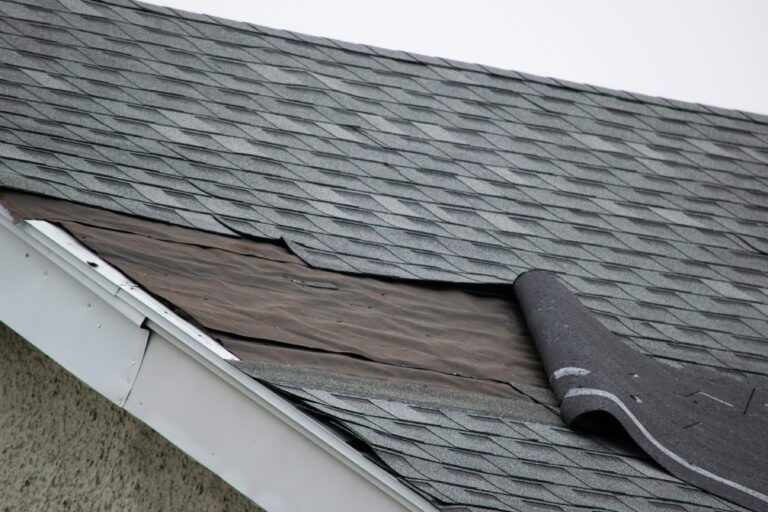
One recent inspection in Mesa revealed roof rats using overgrown citrus trees to access an attic through a small gap near the roofline. After identifying the entry point, technicians implemented a targeted control program and provided recommendations to reduce future rodent pressure.
In another case, a homeowner in Chandler reported scratching noises above the ceiling during the evening. An inspection confirmed roof rat activity inside the attic, where nesting materials and food caches had accumulated near stored boxes. Early intervention helped prevent extensive damage and allowed the infestation to be resolved before the population expanded.
These real-world experiences help our technicians develop effective treatment strategies tailored to each property.
Neighborhood Trends
Roof rat activity varies throughout the Phoenix Metro area, but several communities consistently experience elevated pressure.
Scottsdale
Mature landscaping, golf course communities, and extensive vegetation create ideal travel routes and nesting opportunities.
Mesa
Citrus trees and established neighborhoods contribute to frequent roof rat activity, particularly in older residential areas.
Chandler
Irrigated landscapes and densely populated communities provide reliable food and water sources for rodent populations throughout the year.
Understanding these neighborhood trends allows Phoenix Pest to deliver targeted recommendations and effective control strategies based on local conditions.
Request a Roof Rat Inspection
If you have noticed signs of roof rat activity, do not wait for the problem to become more severe. Early detection and professional intervention can help protect your home, your belongings, and your family’s health.
Contact Phoenix Pest today to schedule a professional roof rat inspection and take the first step toward long-term rodent protection.